
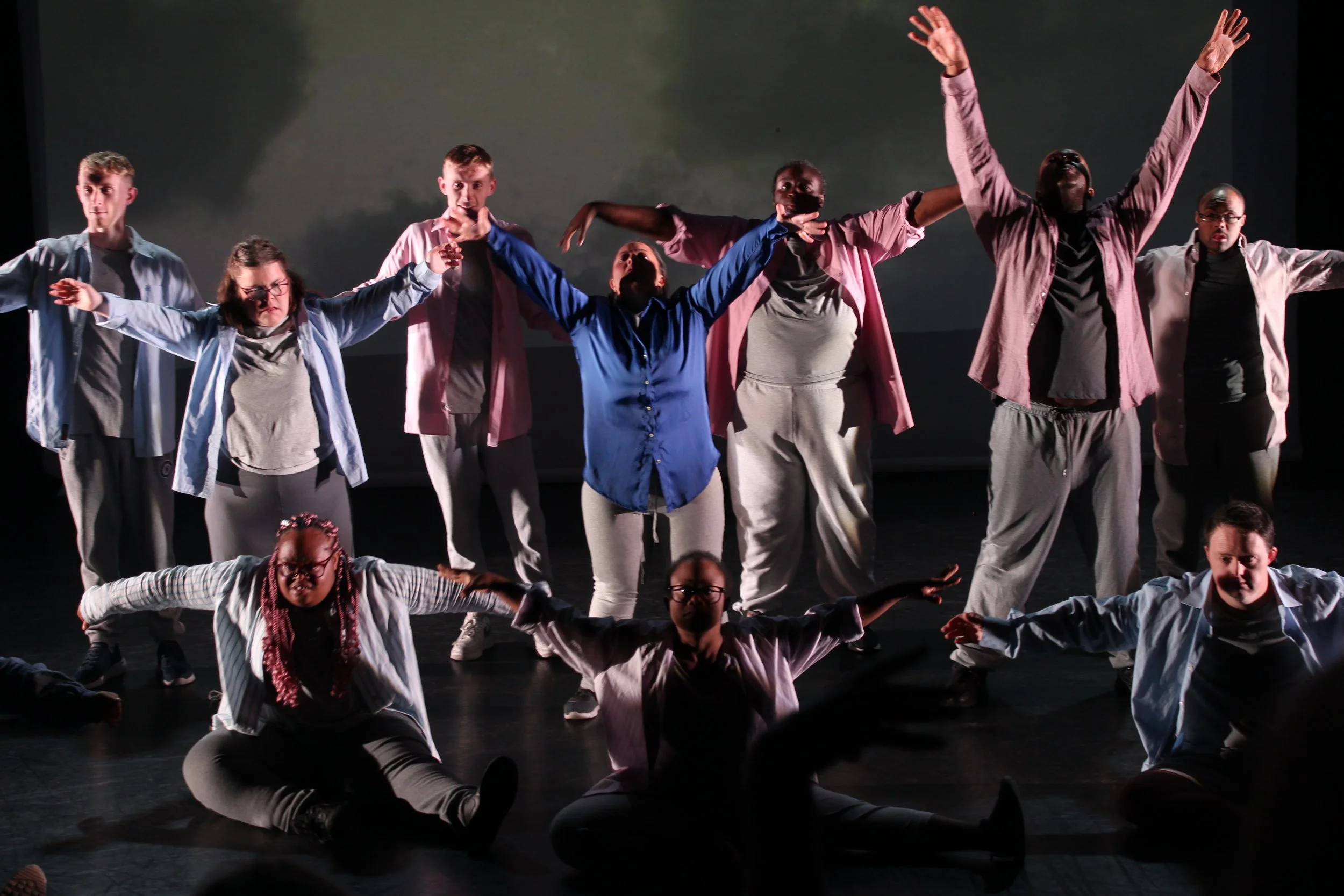
Creative Partners
Access requirements are not something that are added on at the end of a process, they should be embedded from the start.
A Creative Partner supports disabled artists to work safely, confidently, and professionally, ensuring access needs are met in ways that protect artistic ownership and autonomy.
Creative Partners take a flexible, hands-on, and collaborative approach. They work alongside artists and creative teams to respond to the immediate creative, emotional, and practical needs of performers, ensuring access is embedded into the process rather than added as an afterthought.
At its heart, a Creative Partner helps build conditions where disabled artists can focus on their craft, take creative risks, and access professional opportunities without barriers.
The Creative Partner role is a blended role that draws on elements of:
Access coordination
Creative facilitation
Chaperoning and safeguarding
What is a Creative Partner?
WHAT WE OFFER
When you invite one of our artists to audition or book them for a job, they will attend with a Creative Partner.
This is a standard part of our working practice at The Baked Bean Agency, as it ensures our artists can participate confidently and efficiently in casting, rehearsal and filming environments. It also supports with navigating barriers in unfamiliar spaces, fast-paced rooms, or complex processes. The Creative Partner works discreetly alongside to support workflow.
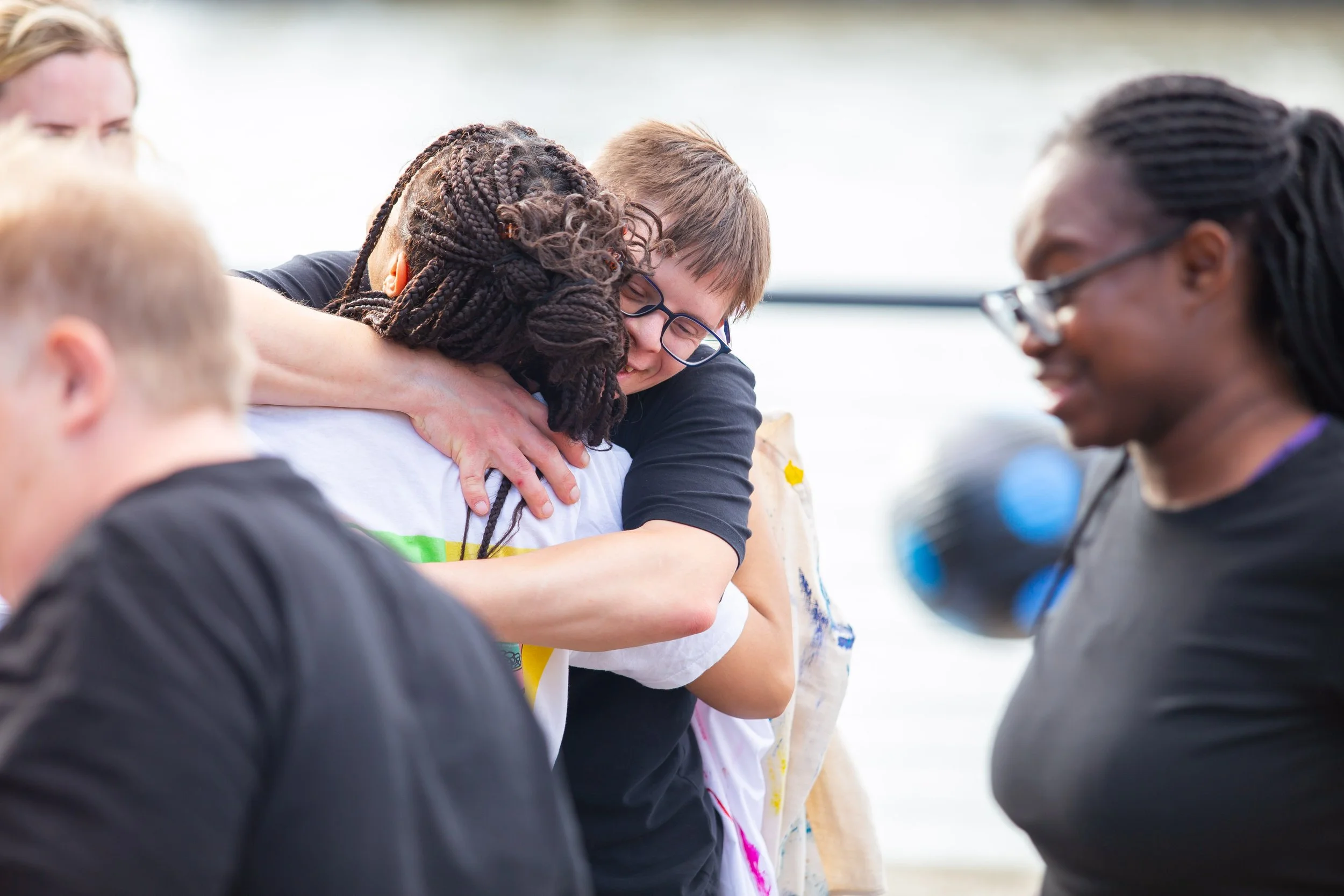
Benefits for the Production Process
Creative Partners attend in order to:
Support access needs, ensuring the environment, communication, and process are accessible from the start.
Protect professionalism so Artists can focus on their craft, not on navigating barriers.
Aid communication where needed without taking control away from the artist.
Provide practical assistance, from rehearsal logistics to emotional and physical support during long or unfamiliar processes.
Create safer working conditions, helping artists enter creative spaces with confidence and clarity.
Maintain artistic ownership, ensuring the artist’s ideas, choices, and authorship are respected at all times.
This means you’re seeing the artist’s best work.
If you have any further questions about our Creative Partners, please contact us on
casting@bakedbeanagency.uk
“A working definition of a creative [partner] is a support worker with skills and experience in the area practised by the disabled artist.”
– Michael Actman, Alt theatre: Culture, Diversity & The Stage